Jules (that’s me) is an independent environmental reporter based in Seattle. I’ve written for National Geographic, The Washington Post, the Boston Globe, Planet Forward, the Christian Science Monitor and others, and illustrated and animated for various outlets. I led the intern team at the Monitor in producing a numbers column and international news roundup for the weekly print magazine from 2024 to December 2025. Previously I was the life & culture reporter for The Post-Standard in Syracuse, where I won two local awards for my reporting.
Right now, I’m writing about water quality for National Geographic, gearing up for the Society for Environmental Journalists conference in Chicago, and producing an animation about whales. Below is some of the work I’m most proud of. All my stories are on my portfolio page. My reporting field notes are through the road trip tab.
25 years after ‘disaster’ declaration, major U.S. fishery makes a comeback
MONGABAY
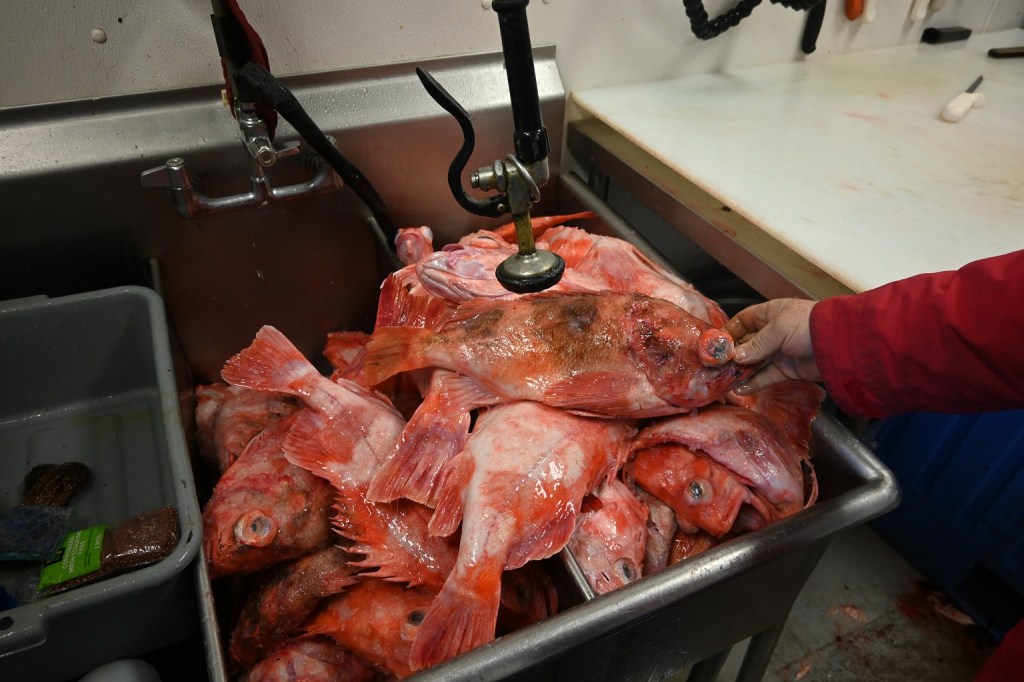
Aaron Longton reached down into the rinsing sink in his garage-turned-fish-processing facility on the Oregon coast and hoisted a redbanded rockfish by its fat bottom lip. The homely fish was next in line for the dressing table, where Brian Morrissey, Longton’s “cutter-in-chief,” would deftly slice it into neat fillets, setting aside its guts and bones for crabbing chum.
Morrisey had about 250 kilograms (550 pounds) of the rockfish (Sebastes babcocki) to get through that day, and 90 kg (200 lbs) of lingcod (Ophiodon elongatus), he said, his knife unzipping yet another fish. An unthinkable abundance only 20 years ago.
“These fish were really severely limited to us,” said Longton, founder of Port Orford Sustainable Seafood, a company that sells fish via a subscription program. “Now, we have huge quotas.”
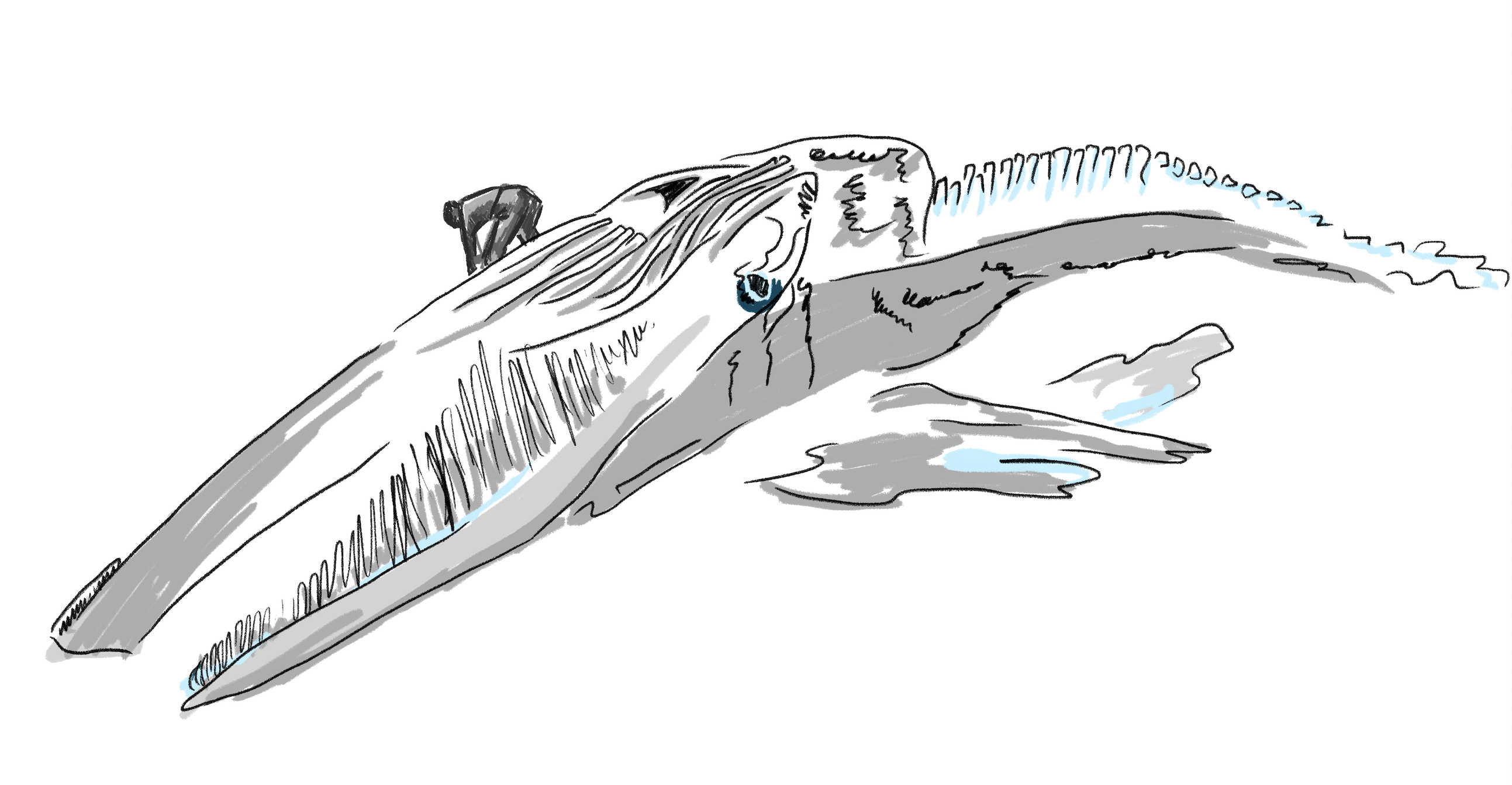
Concept sketch and audio clip from my in-progress animation featuring Jim Borrowman, who has cleaned and saved dozens of whales skeletons for historical preservation.
Our car tires are poisoning salmon—and maybe us, too
NATIONAL GEOGRAPHIC
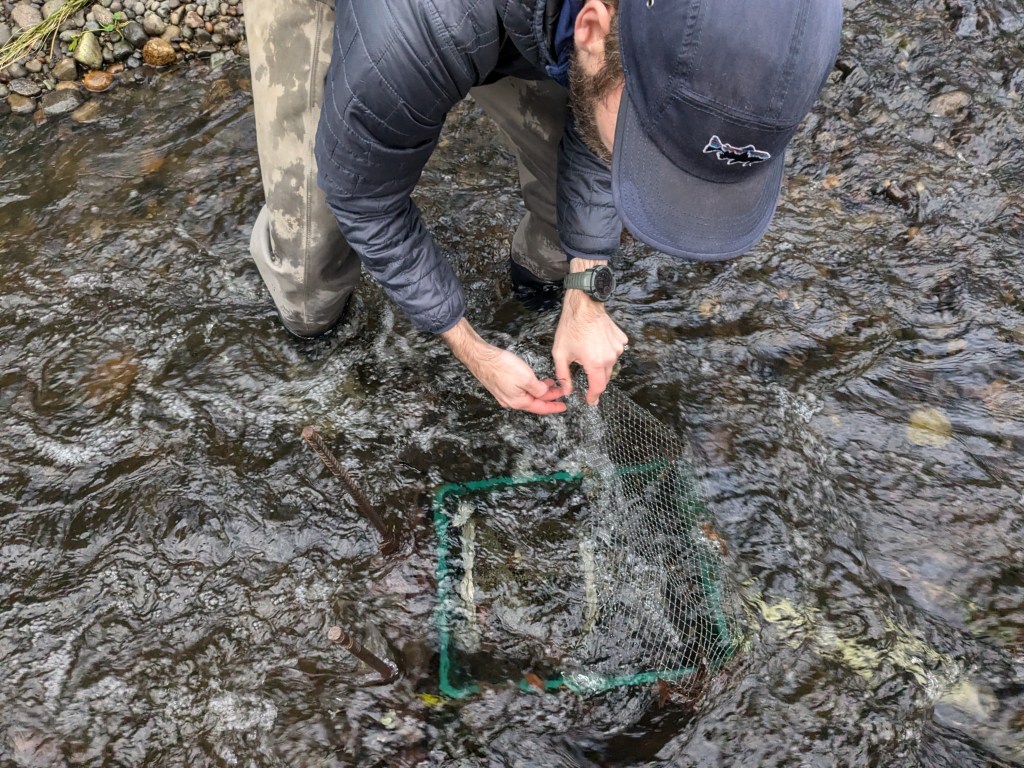
On the banks of an unassuming creek south of Seattle, biologist Nathan Ivy packed a pair of dripping waders and a cooler full of petri dishes into the back of his pickup truck, and peeled away towards the highway.
As he merged south on Interstate-5, he was uniquely aware that from this river of cars, including his own, issued an imperceptible and deadly chemical—the same chemical, he knew, disfiguring the vermillion salmon eggs in the petri dishes packed away beside him.
For decades, researchers suspected that a strange chemical in Washington’s streams was causing unnatural numbers of adult coho salmon to wash up dead after heavy rains, their bellies full of unlaid eggs. In 2020, after years of Curie-like obsession, a team of scientists finally identified the deadly chemical in roadway stormwater runoff as 6PPD-quinone. Its parent chemical, they confirmed, is in virtually every tire in the world.
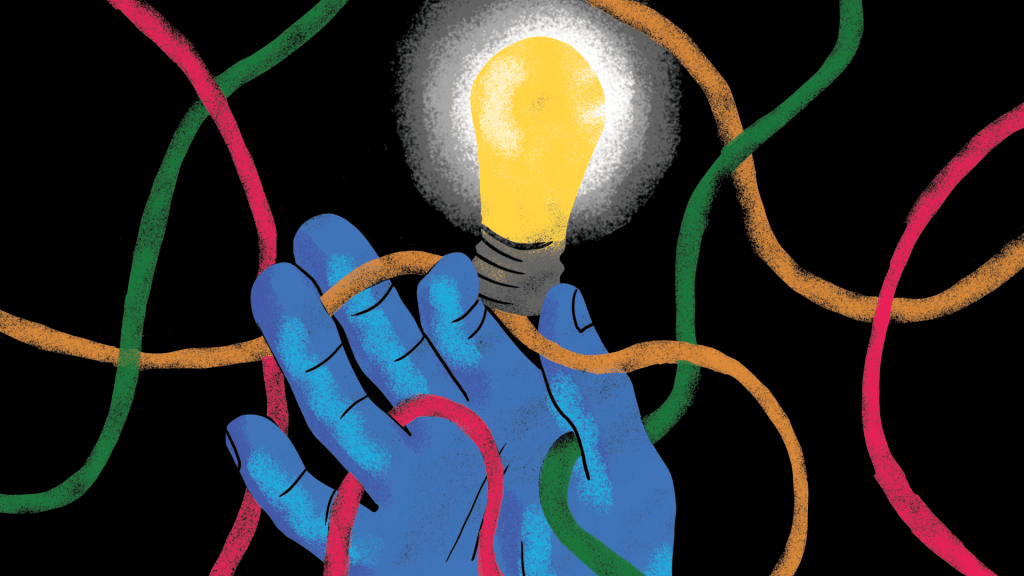
Illustration for The Christian Science Monitor Home Forum section
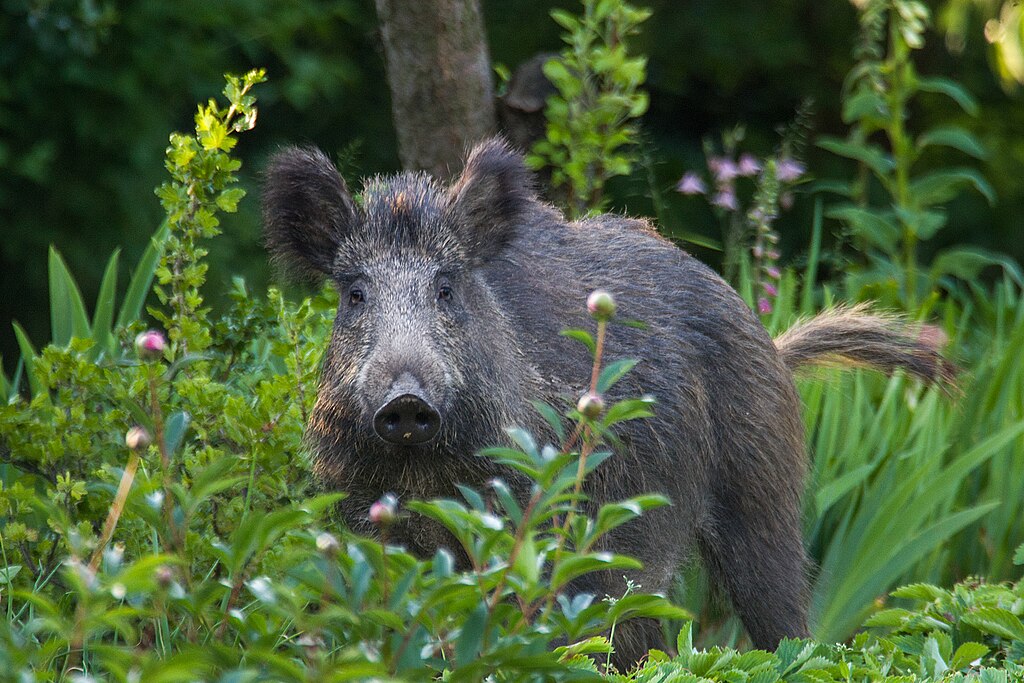
Wild pigs are turning electric blue in California. Here’s why.
NATIONAL GEOGRAPHIC
Dan Burton heard of pigs with electric blue meat in California years ago from an old-timer he used to hunt with, but he’d brushed it off as urban legend.
So when he cut open a dead wild pig in Monterey County, California, this past February,he was surprised to see blue fat—vivid, “7/11 slushie” blue—beneath the skin.
The color came from the blue dye of rodent poison, he correctly suspected, specifically from anticoagulant rodenticide bait containing the chemical diphacinone. He tipped off the California Department of Fish and Wildlife, which confirmed the presence of diphacinone and sounded the alarm to local hunters.
It wasn’t the first time.
Illustration series
The Christian Science Monitor “Say That Again?” podcast




After a Canadian orca pod’s decline, now ‘you can see the whales coming back’
THE CHRISTIAN SCIENCE MONITOR
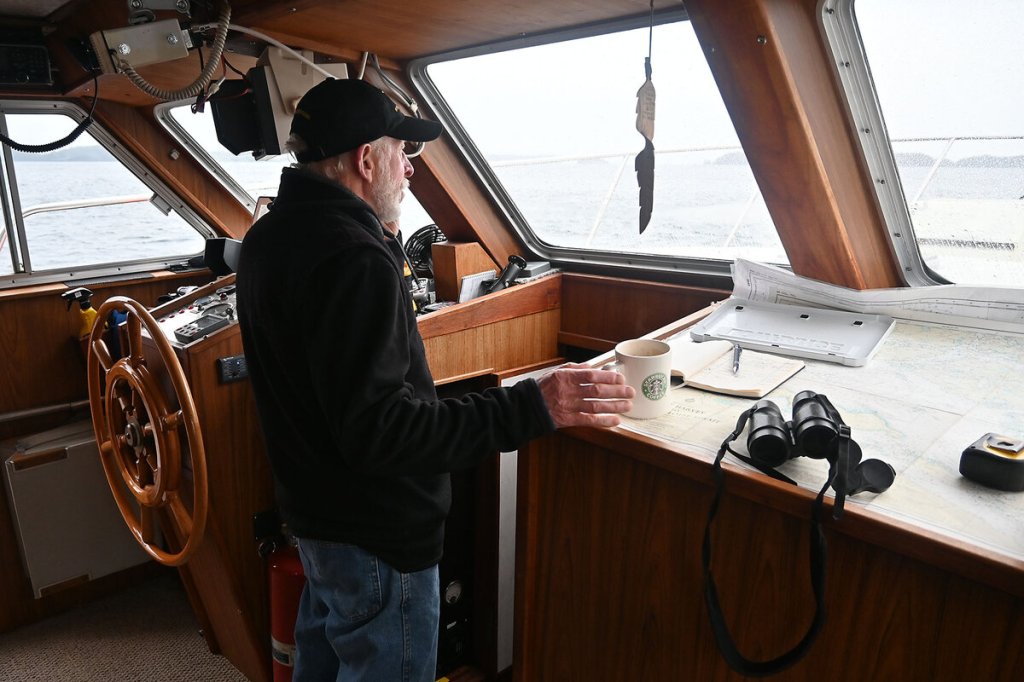
Jim Borrowman cut the engine of the Nisku in the gray water of the Johnstone Strait, relinquishing his boat to an eastbound tide. He unraveled the line of a hydrophone – a cylindrical, underwater microphone – and dropped it portside.
On the other end of the cord a pint-size Honeytone speaker in the cabin broadcast a conversation from the deep: the ethereal, two-toned call of an orca whale to her clan.
“I think they’re what we call ‘A1s,’” said Mr. Borrowman, browsing a database of local orcas on his phone.Mr. Borrowman has been watching, and watching over, these whales for decades. He was one in a band of Vancouver Islanders who successfully lobbied in the early 1980s to set aside a protected area for Northern resident orcas, which lost a third of their population to hunting and capture in the 1950s and ’60s.
This early act of ocean preservation laid a foundation from which decades of important research – and a deep local allegiance to the whales – have flourished.
Animation
The Christian Science Monitor’s “Climate Generation” series
What a chicken-size bird can tell us about a shrinking prairie
THE WASHINGTON POST
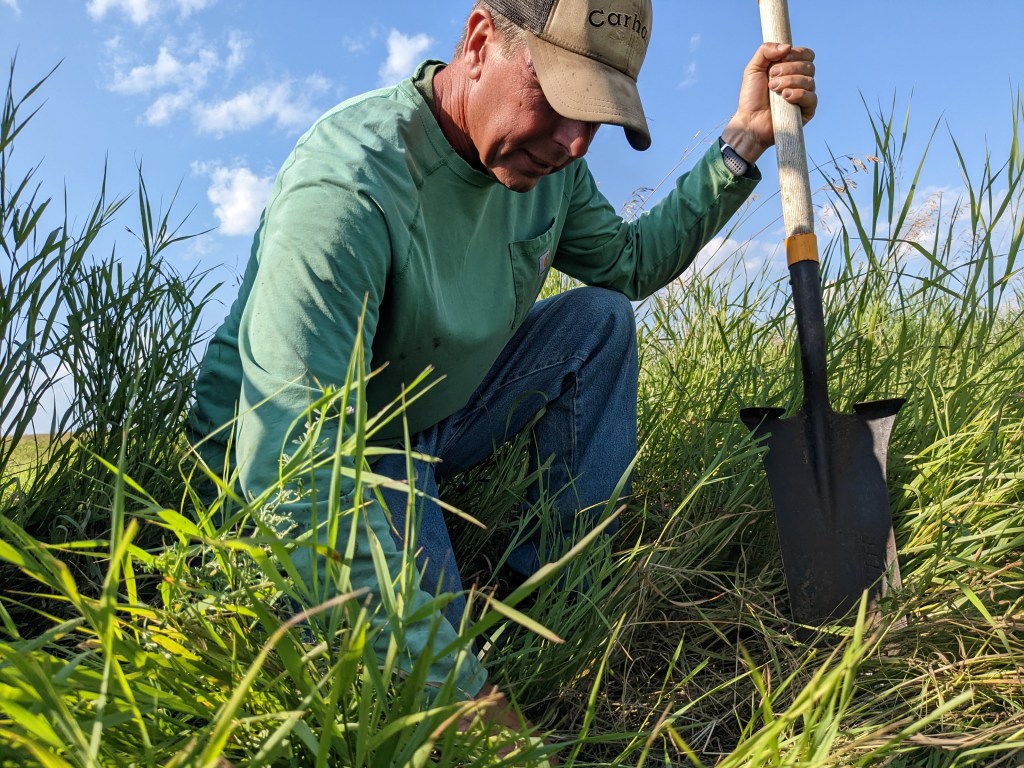
There’s a stretch of Kim Shade’s ranch in the North Dakota Badlands where he used to look for a peculiar long-billed bird from the seat of his saddle. Now, all he sees there is a road leading to an oil rig.
“I used to see quite a few of them,” the cowboy said, of the speckled, chicken-size bird called a long-billed curlew. The curlew’s absence is unsettling, he said.
“Our birds on the prairie are the same thing as a canary in a coal mine,” Shade said. “If we lose them, something’s wrong.”
Curlew territory has been slowly shunted westward in North Dakota following the retreat of the state’s dwindling grasslands. That’s bad news for conservationists, who are trying to salvage one of the country’s most threatened habitats, which has been hit hard by industry and traditional crop development. It’s also a problem for ranchers, whose cattle rely on the health and sprawl of prairie as much as the curlews.
More articles at portfolio
More videos and illustrations at multimedia
 JULES STRUCK
You must be logged in to post a comment.